

Gibson H5 Mandola (October 7th, 1924, Loar Period/Signed)
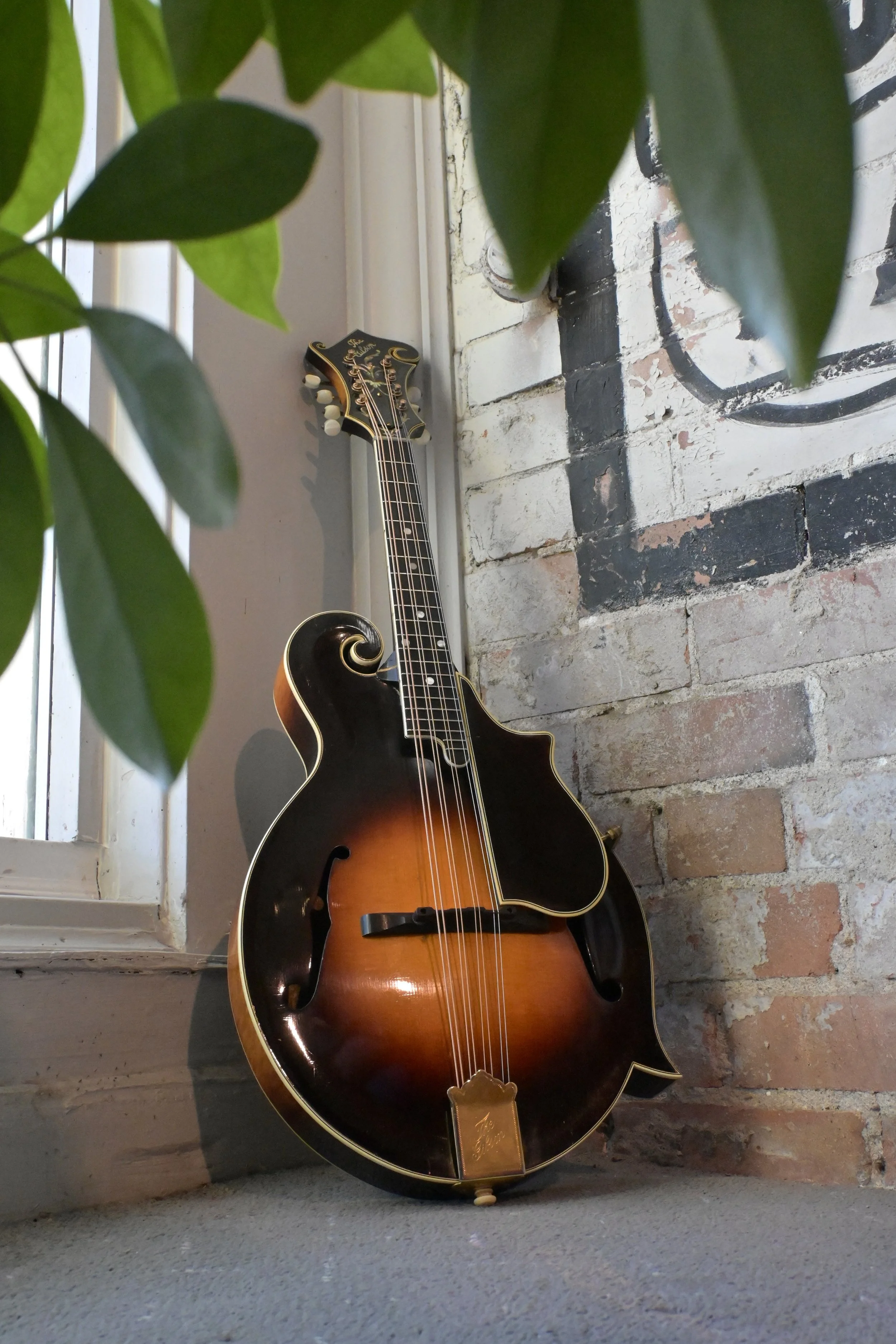
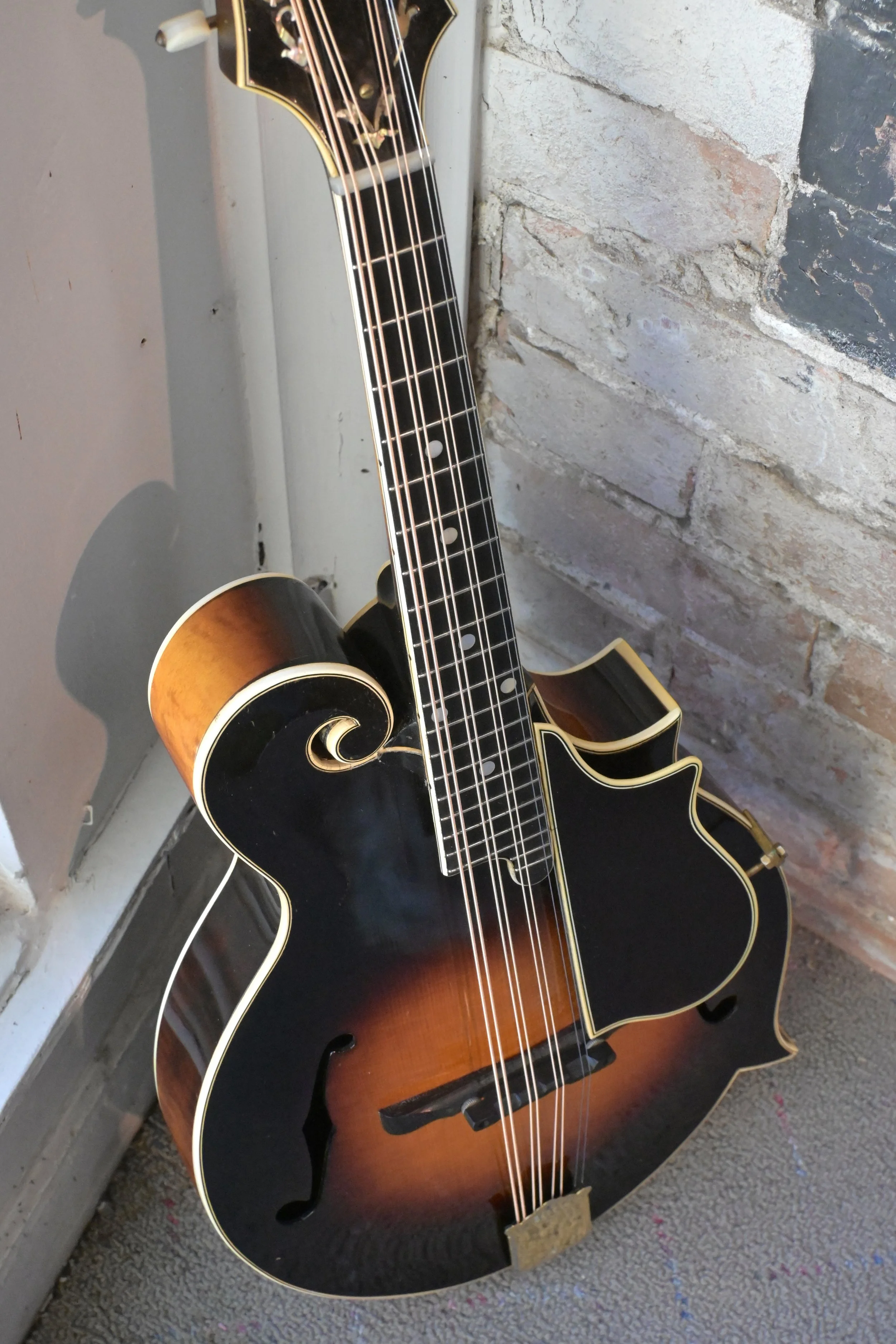
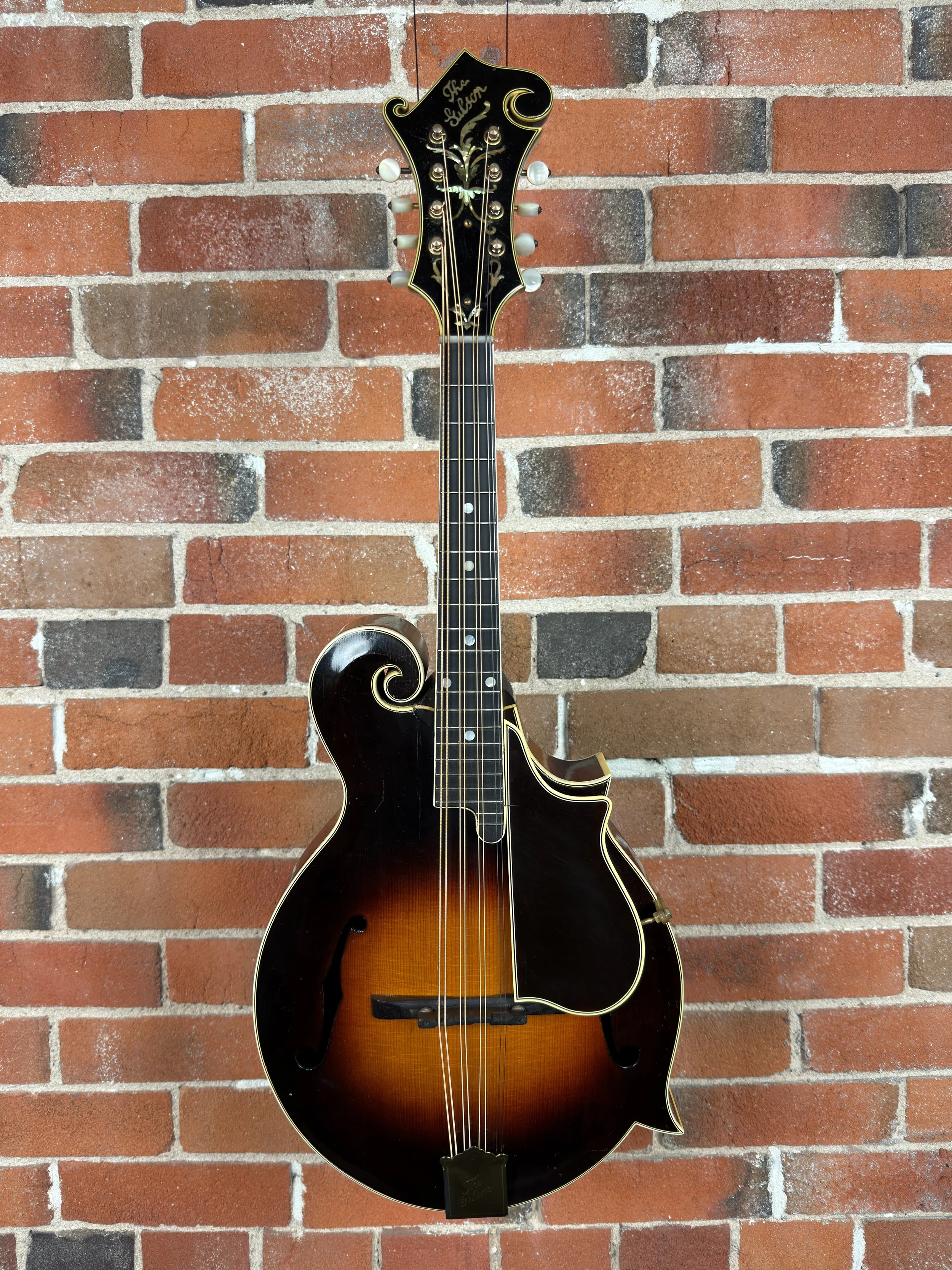
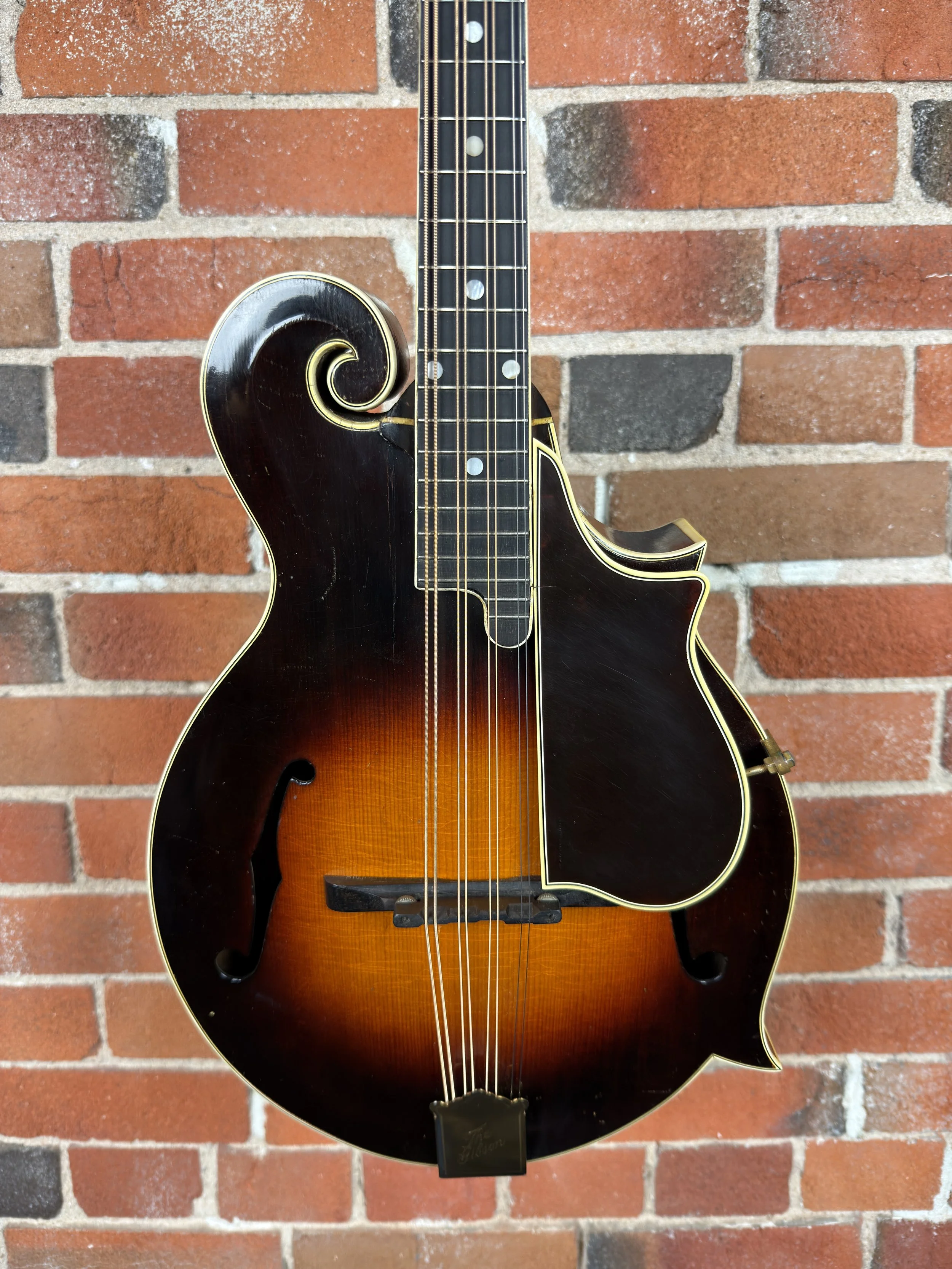
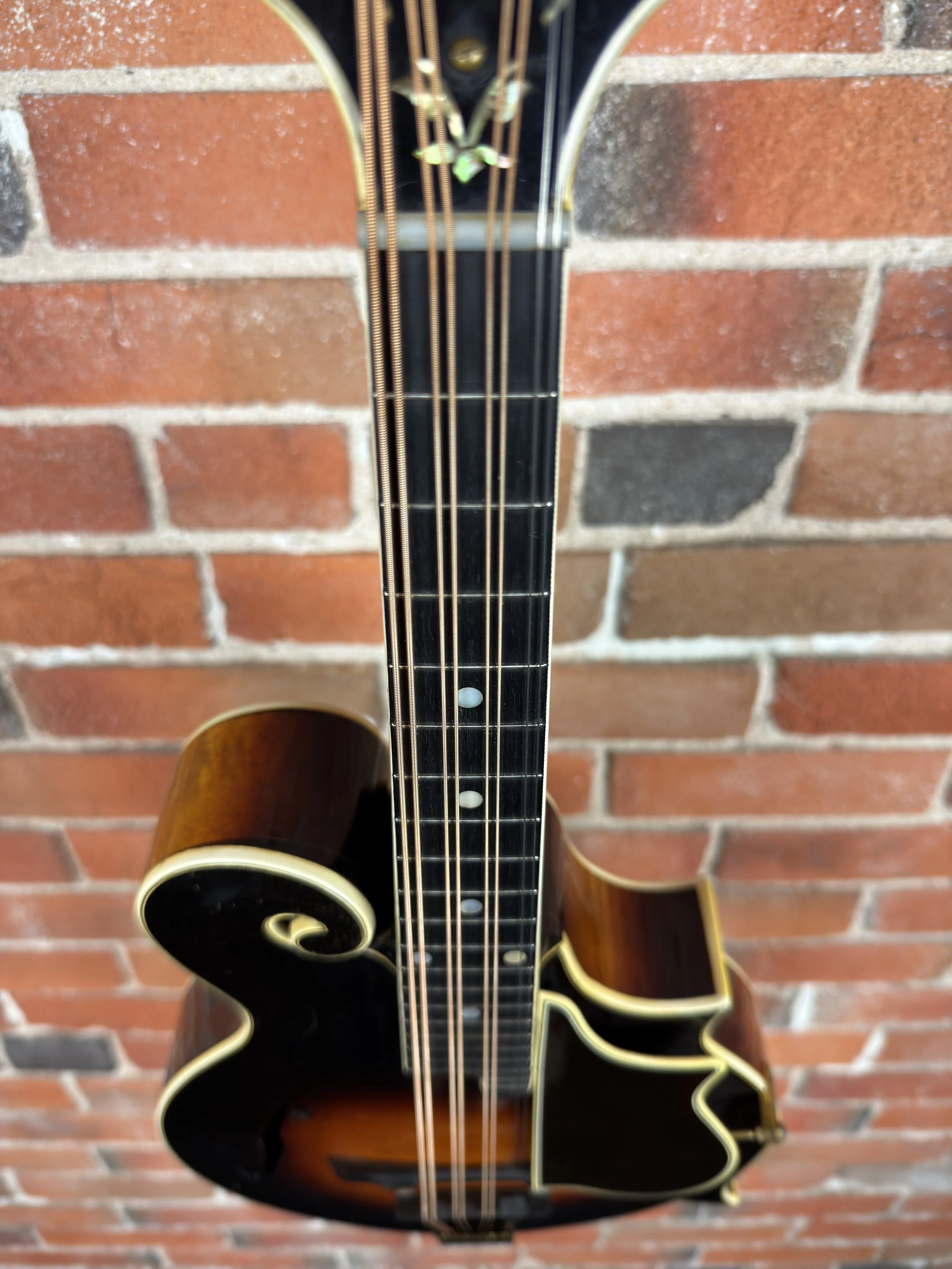
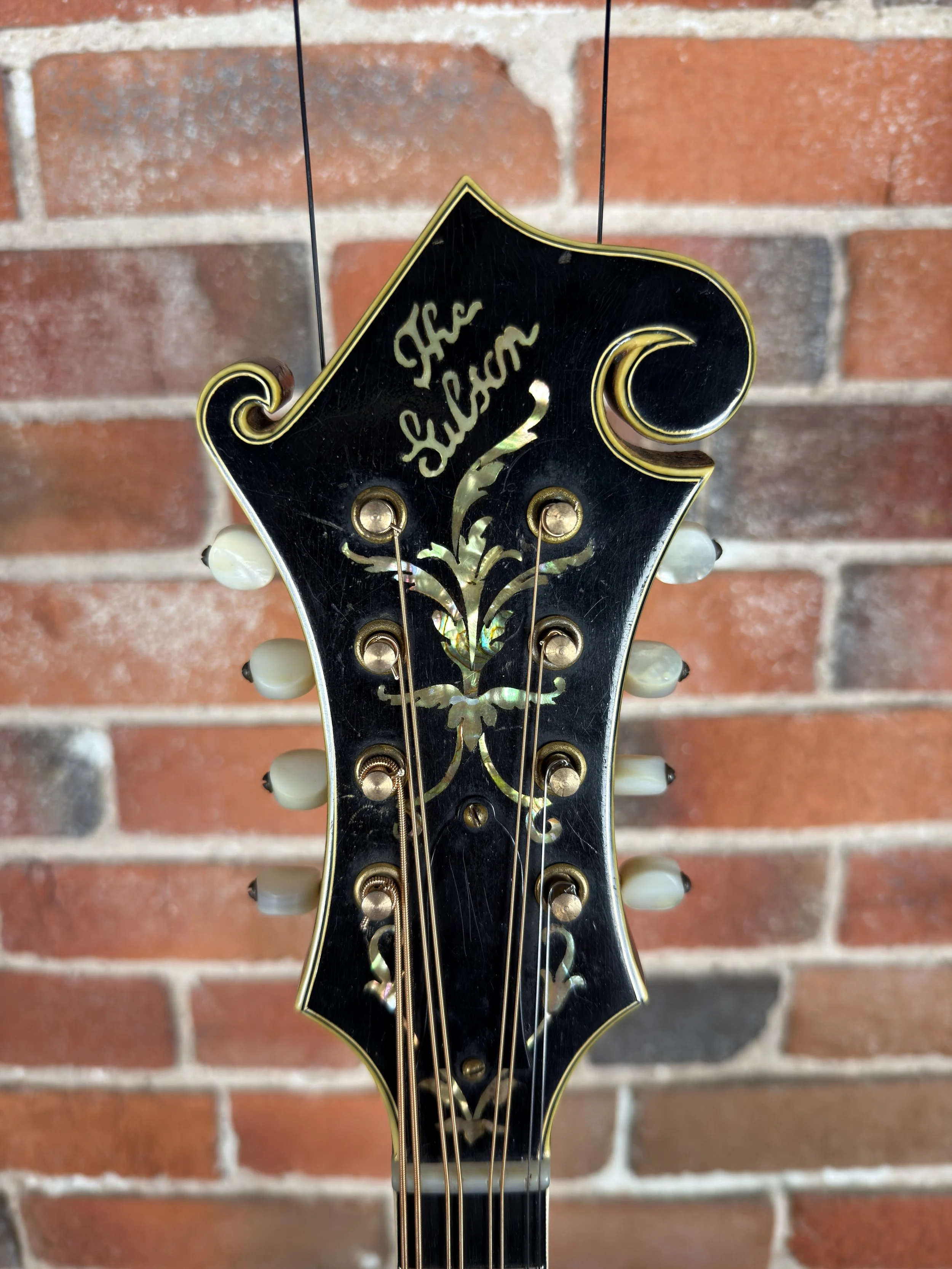
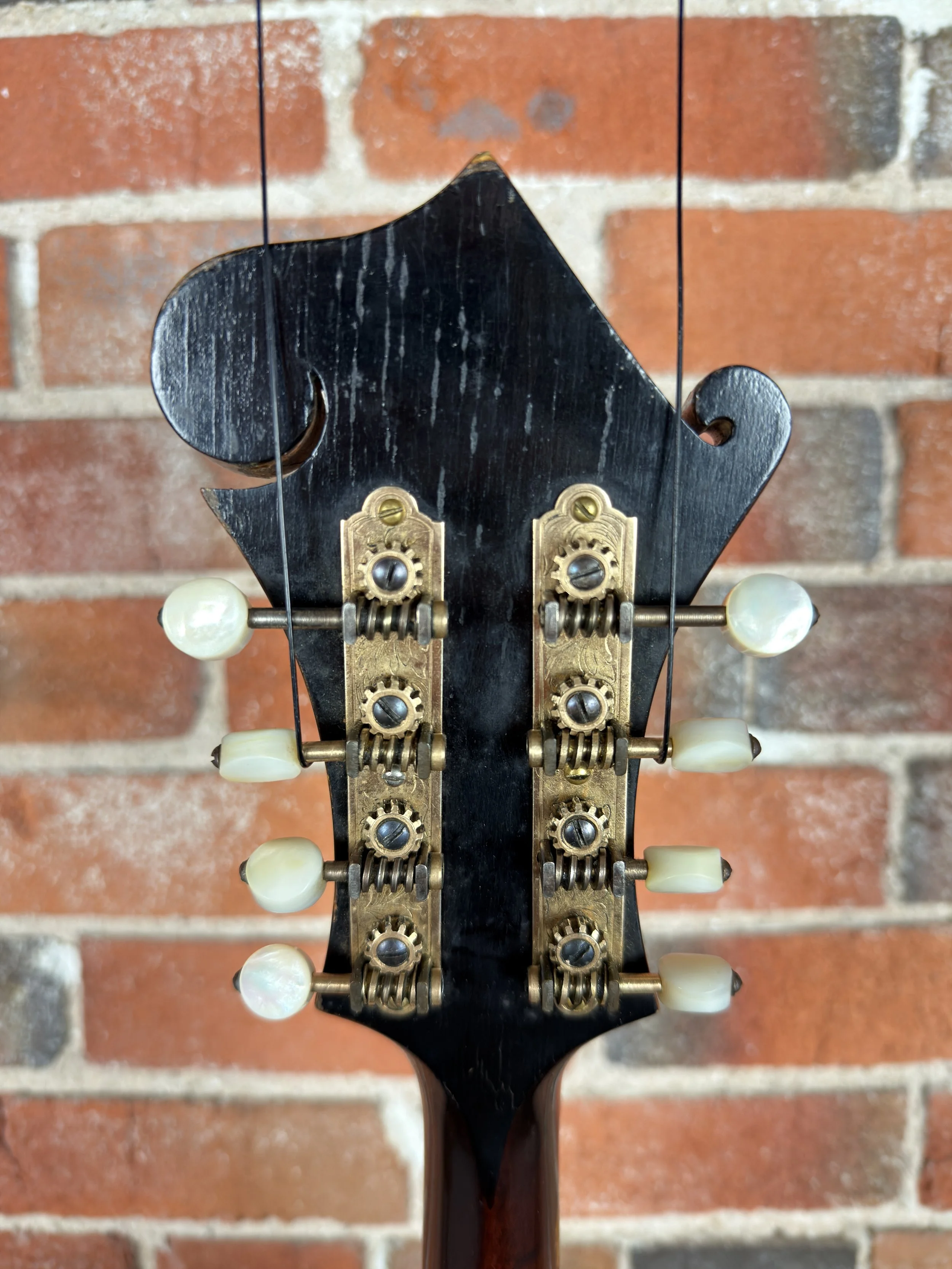
Gibson H5 Mandola (October 7th, 1924, Loar Period/Signed)
Along with his inarguable contribution to American folk music (though unintentionally, bluegrass was invented nearly 14 years after this instrument was built), Lloyd Loar also went through Gibson’s catalogue and redesigned a number of instruments that were mainly being used only for the already declining in popularity mandolin orchestra, one of which he himself was the leader, arranger, and, by his work at Gibson, instrument designer: the Gibsonians.
The Mandola, long a staple in Gibson’s lineup as the larger, slightly clunkier brother to the mandolin, was, alongside the F model mandolin, given a major overhaul in line with Loar’s vision for the “Stradivarius of mandolins”. Work on the “H5: The Master Mandola, Professional Special"“, the new top of the line designation for the Mandola, however, wouldn’t start until April of 1923, well into the production of the F5. The next one to appear wouldn’t be there for another nine months, with the next one seen being signed on January 7th, 1924, with a further 17 being made until the end of 1924.
This one, most likely signed October 7th, 1924, is as good as these are always purported to be, though it’s wildly difficult to find one to corroborate that anecdote, as there were reportedly only about 24 of these ever made by Gibson.
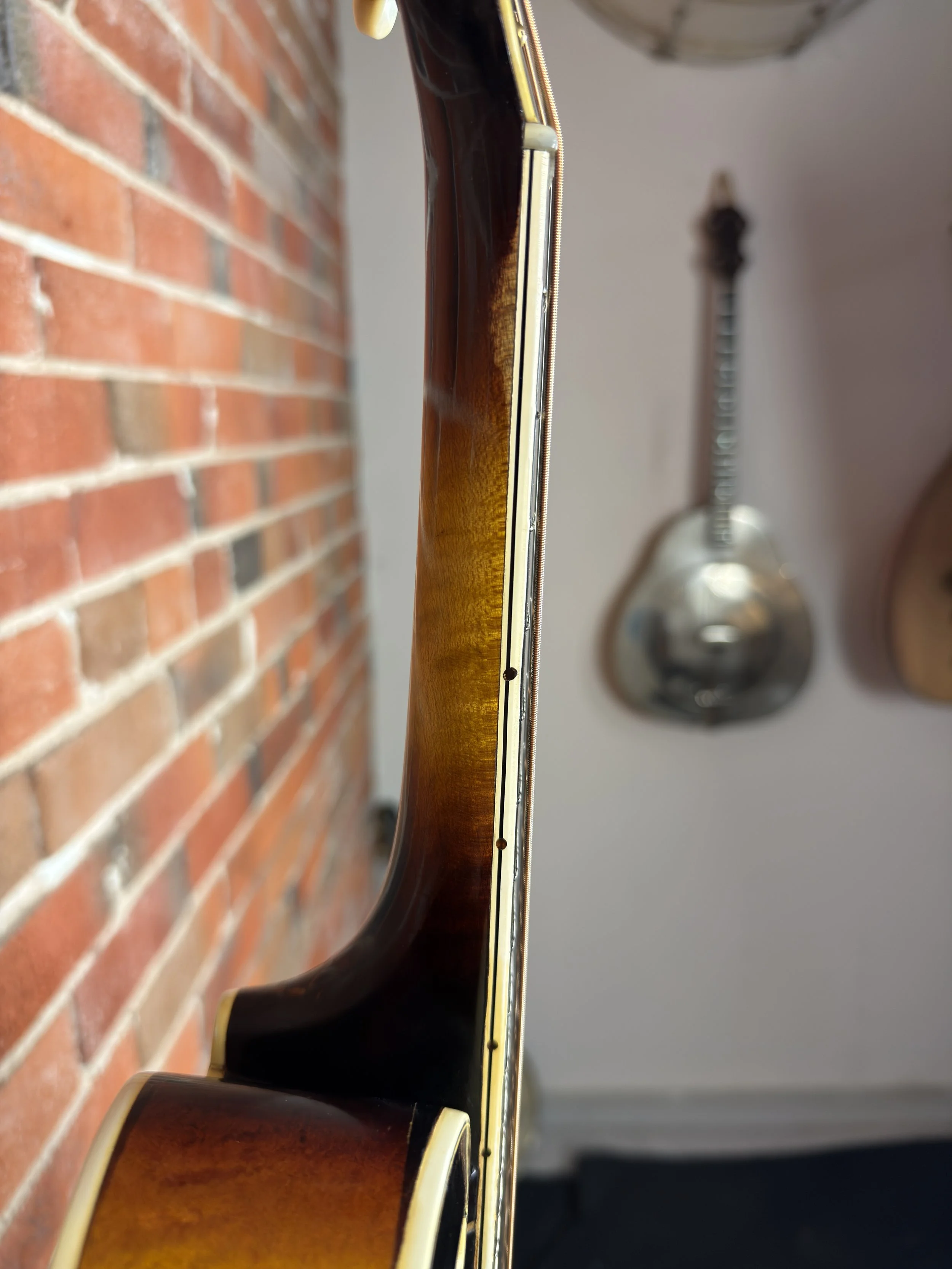
With a nearly bang on 16” scale, a larger body with nearly identical sized soundholes to the F5, the H5 has a monstrous, if focused tone, plenty of low end with a surprising amount of high end sparkle, sitting well in a mix between mandolins and guitars (like it was designed to do!).
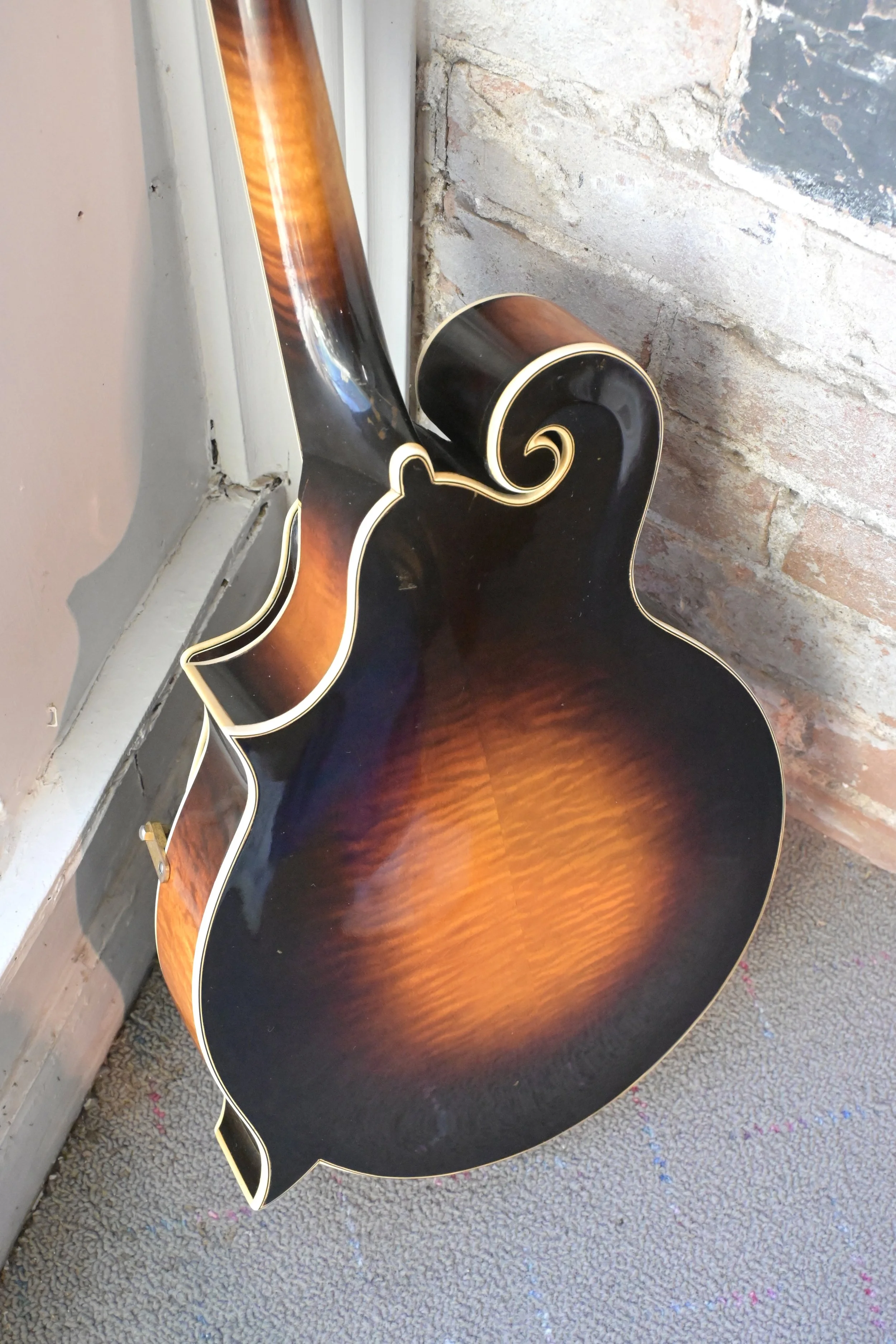
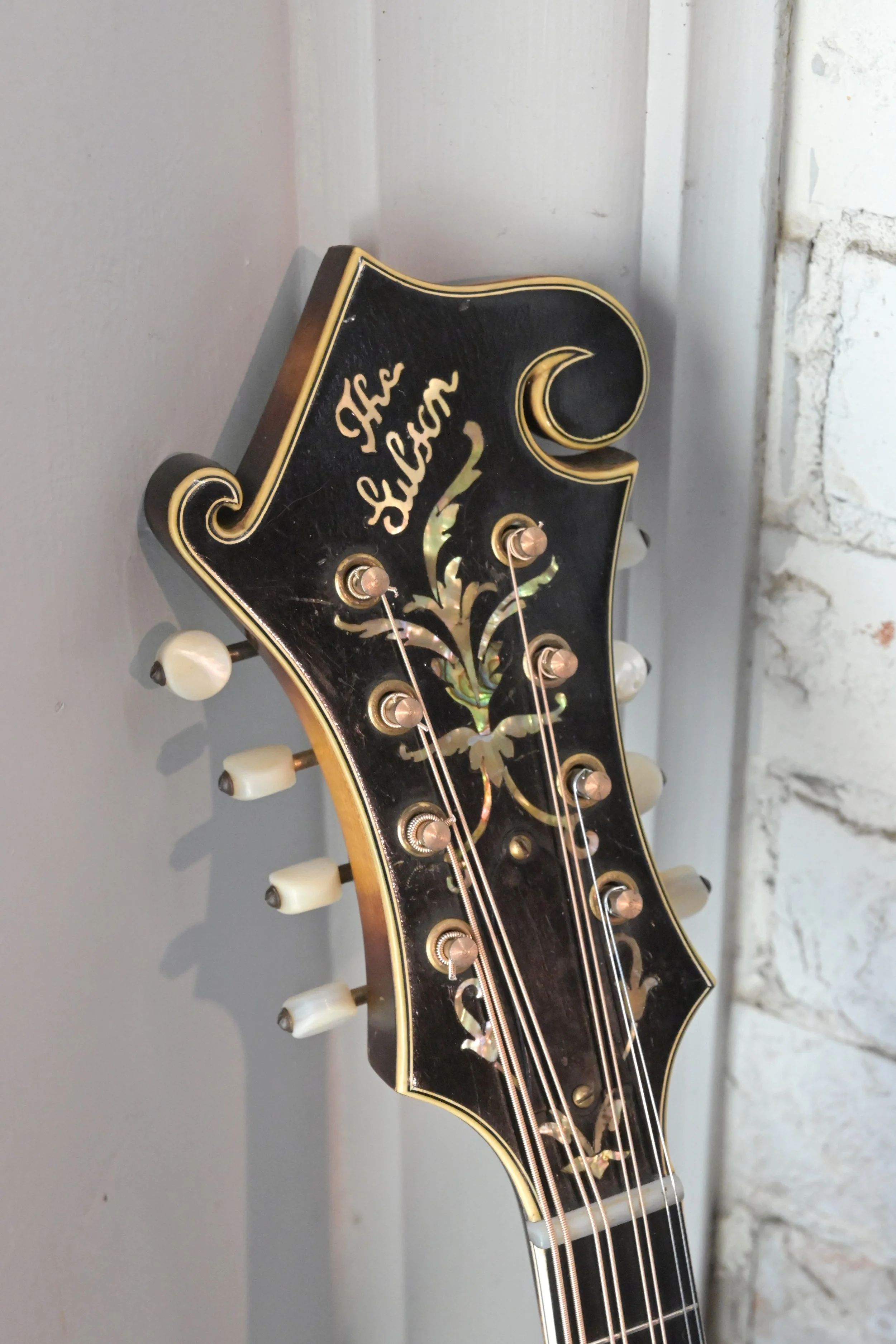
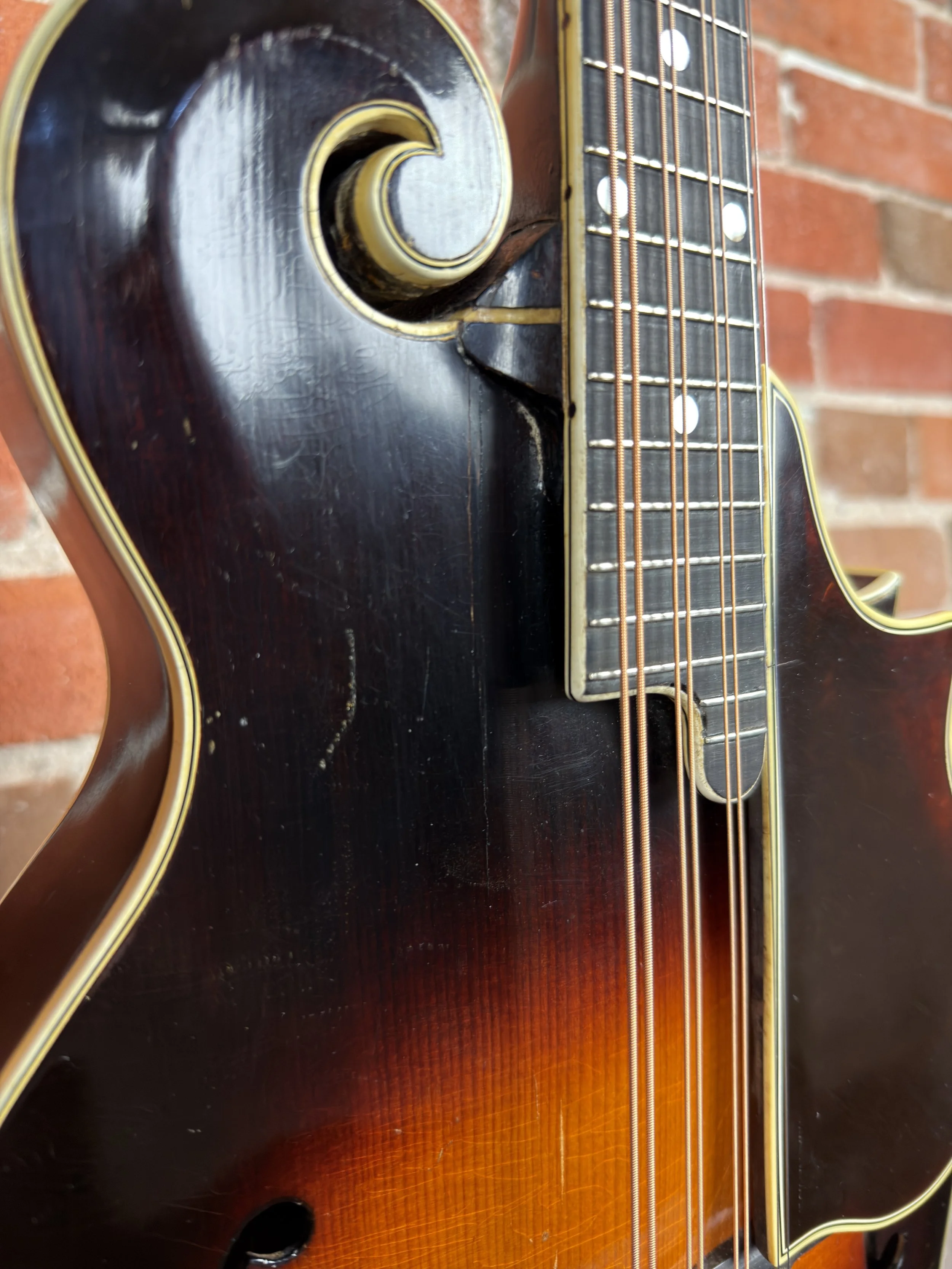
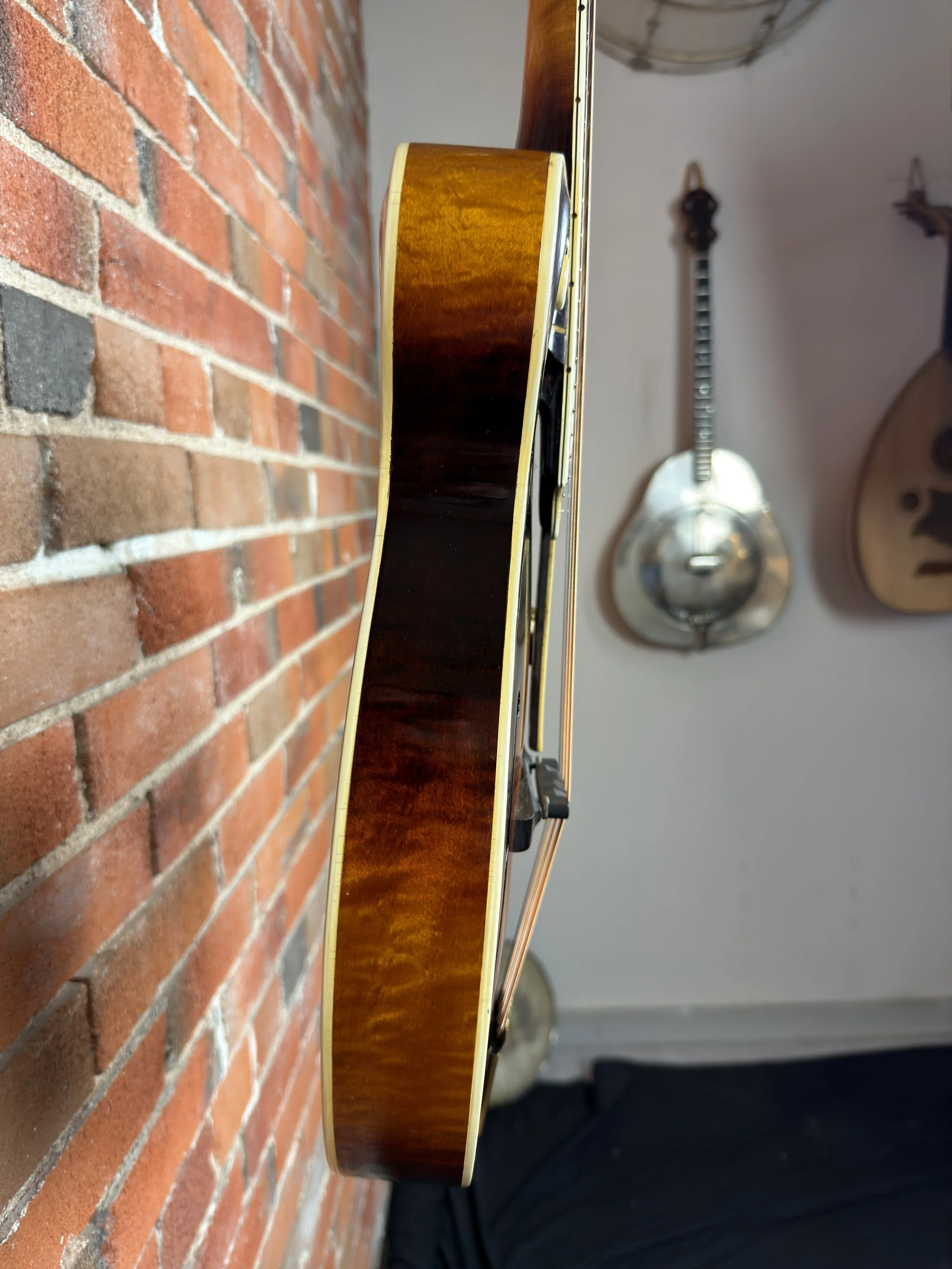
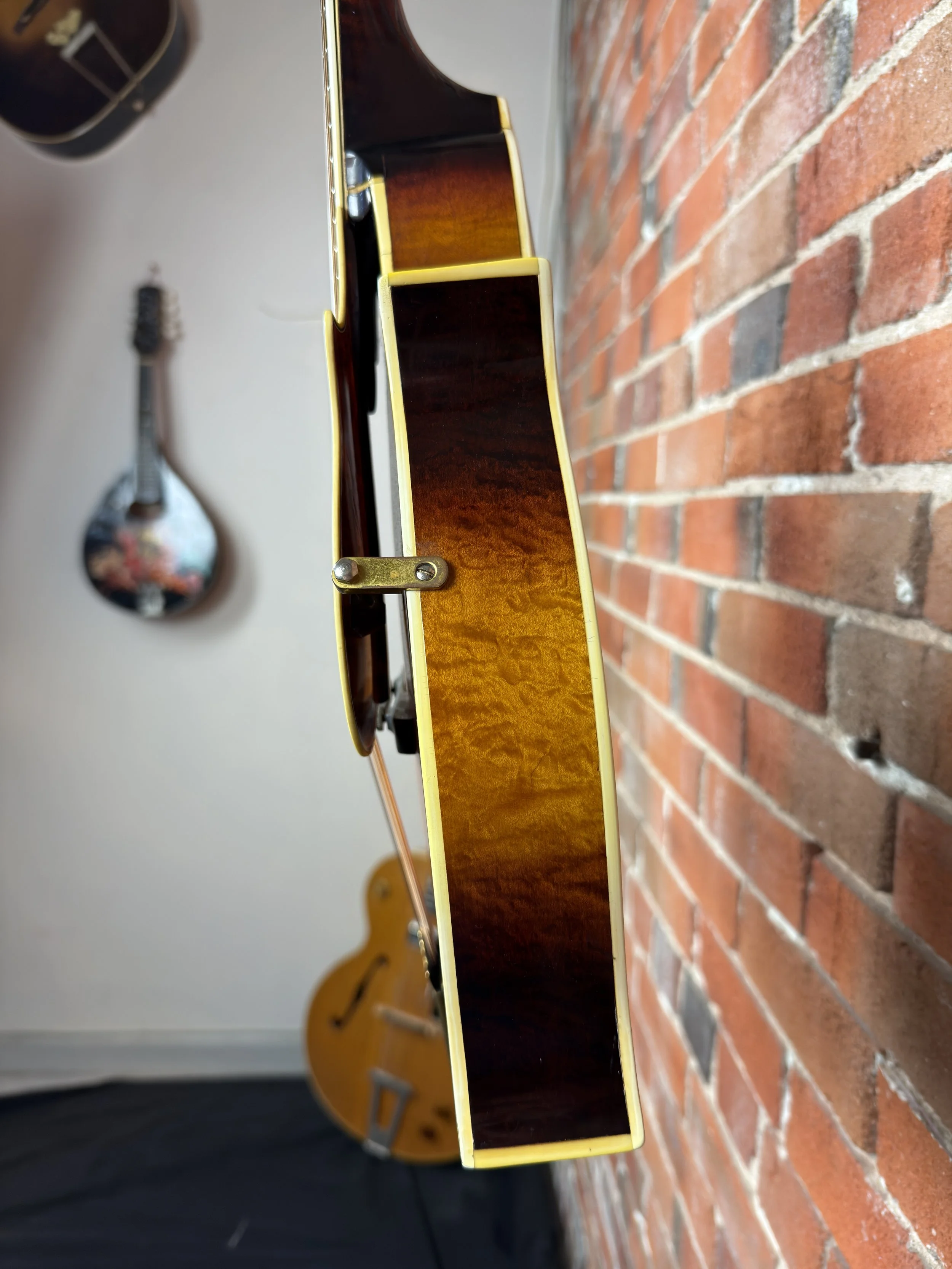
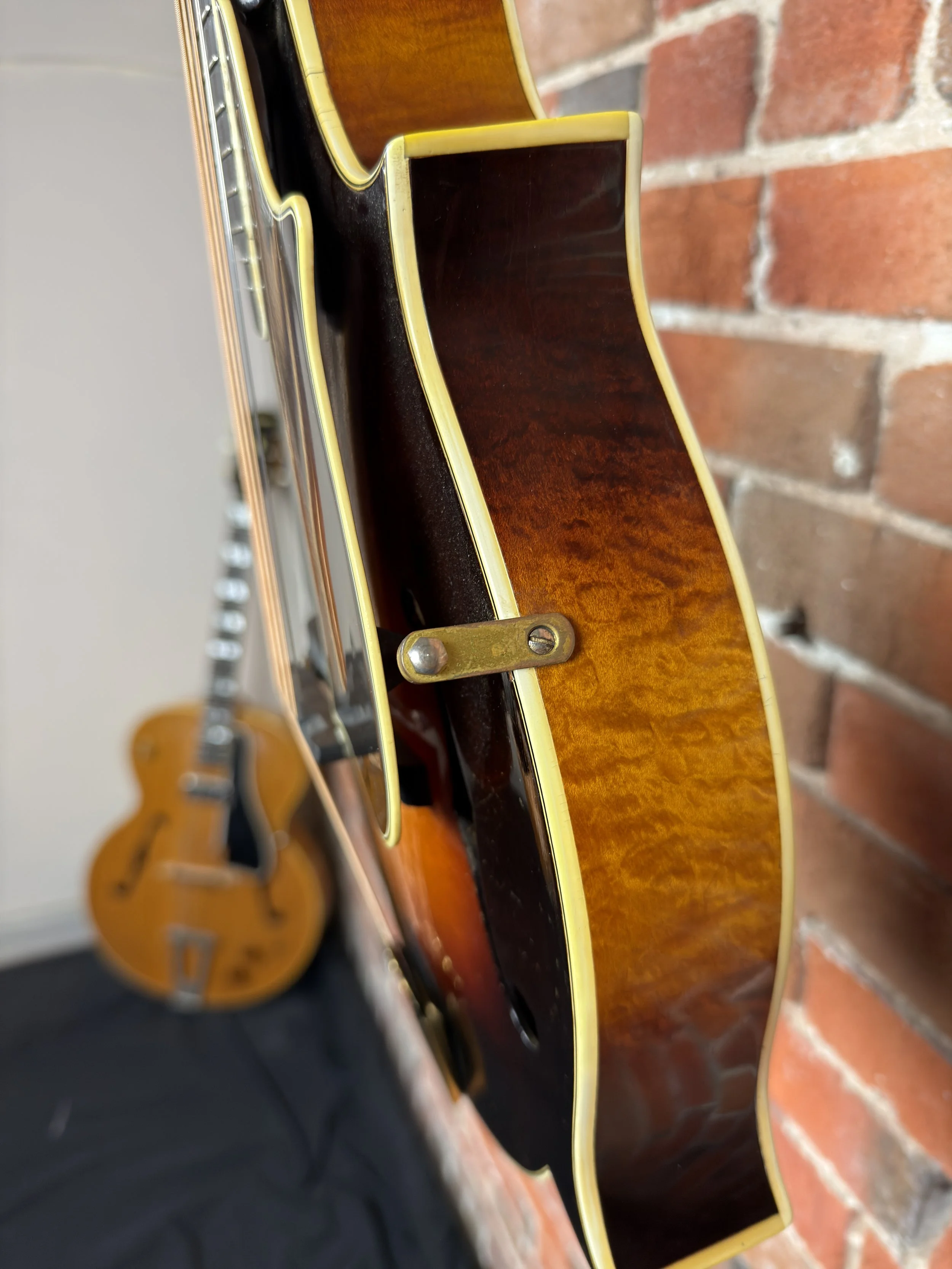
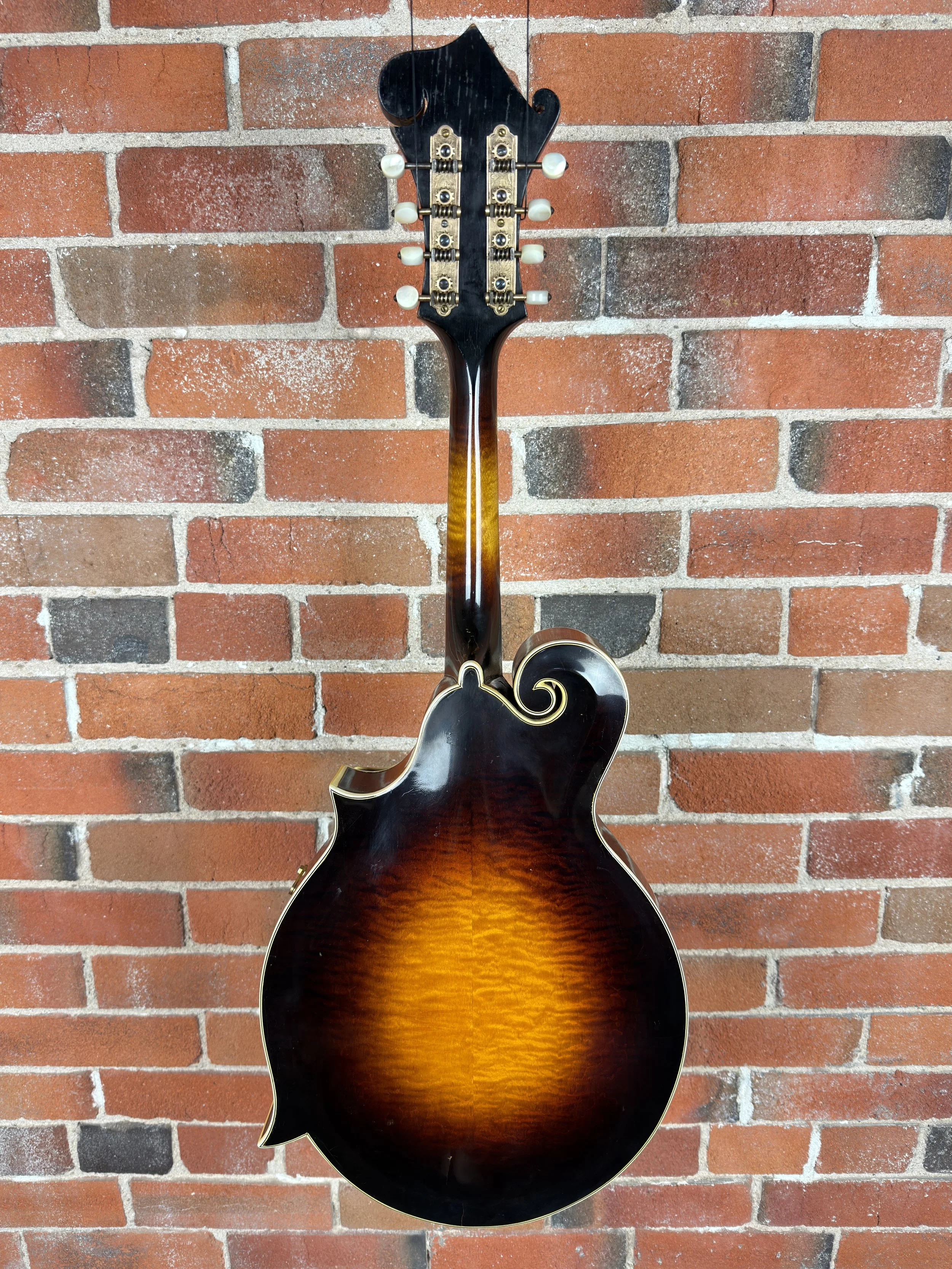
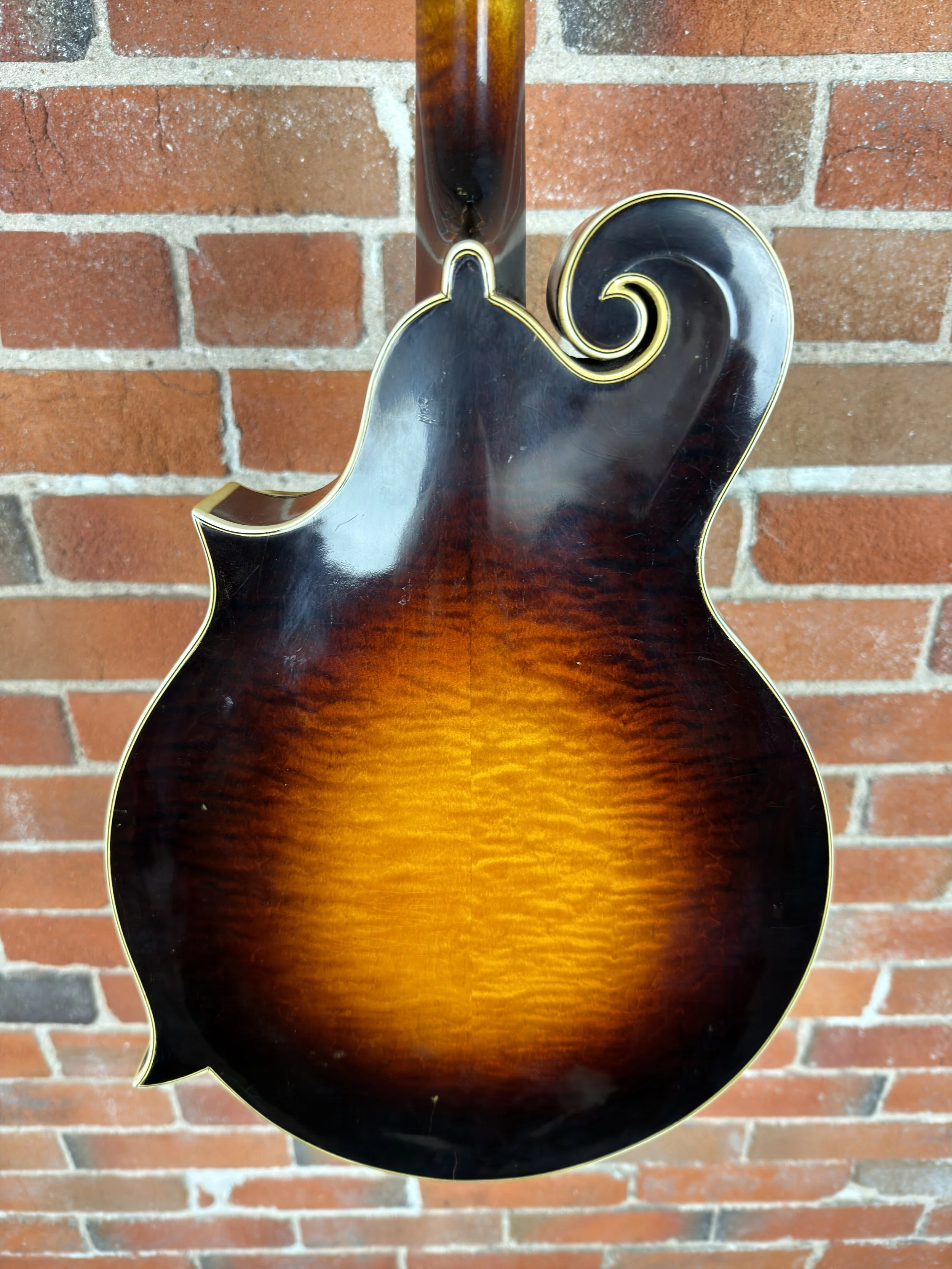
This one was refinished by Gibson sometime in the late 1920’s or very early 1930’s, having that darker, lacquer finish that became a staple of post Loar production. Strangely, though not out of line with Gibson’s usual bizarre tactics, the Loar signed label was also removed, either by the original owner, or by Gibson. It’s a loss for sure, but beneath the original glue under the missing label is the almost never seen Factory Order Number, which, along with the serial, place this beauty right smack dab on October 7th, 1924.
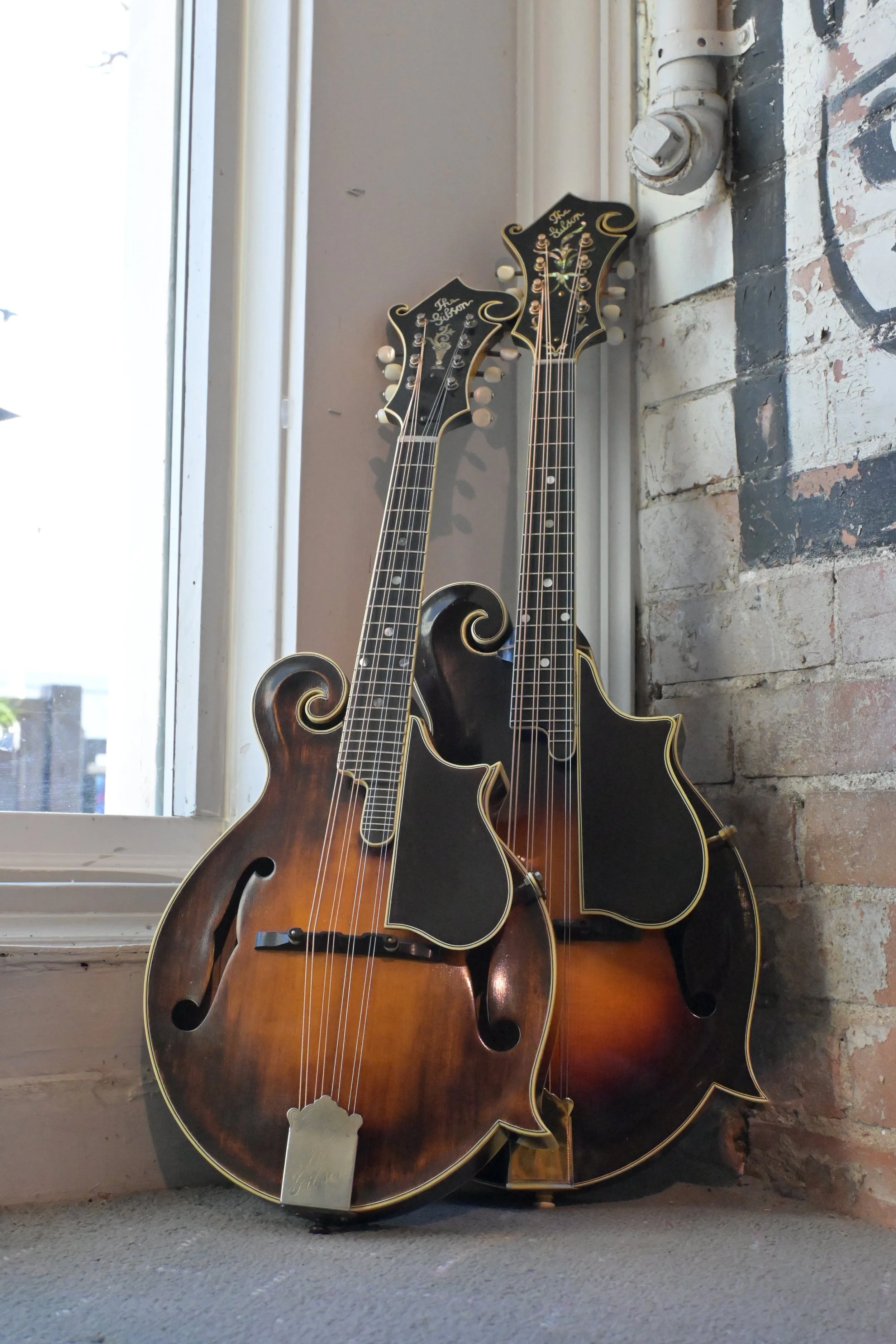
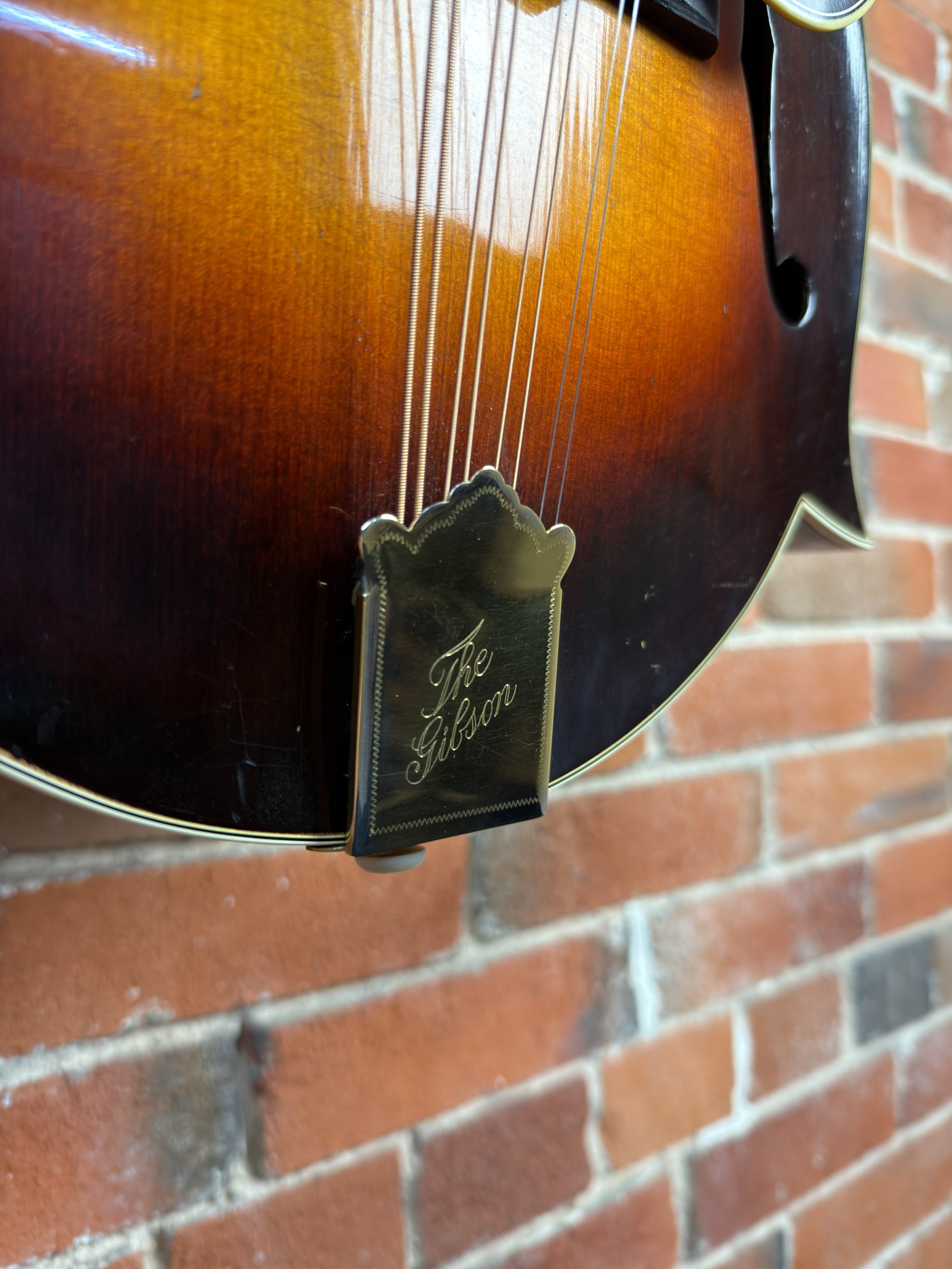
The tailpiece cover is also a 90’s Gibson replacement, off of an F5L, though it ties the instrument together nicely.
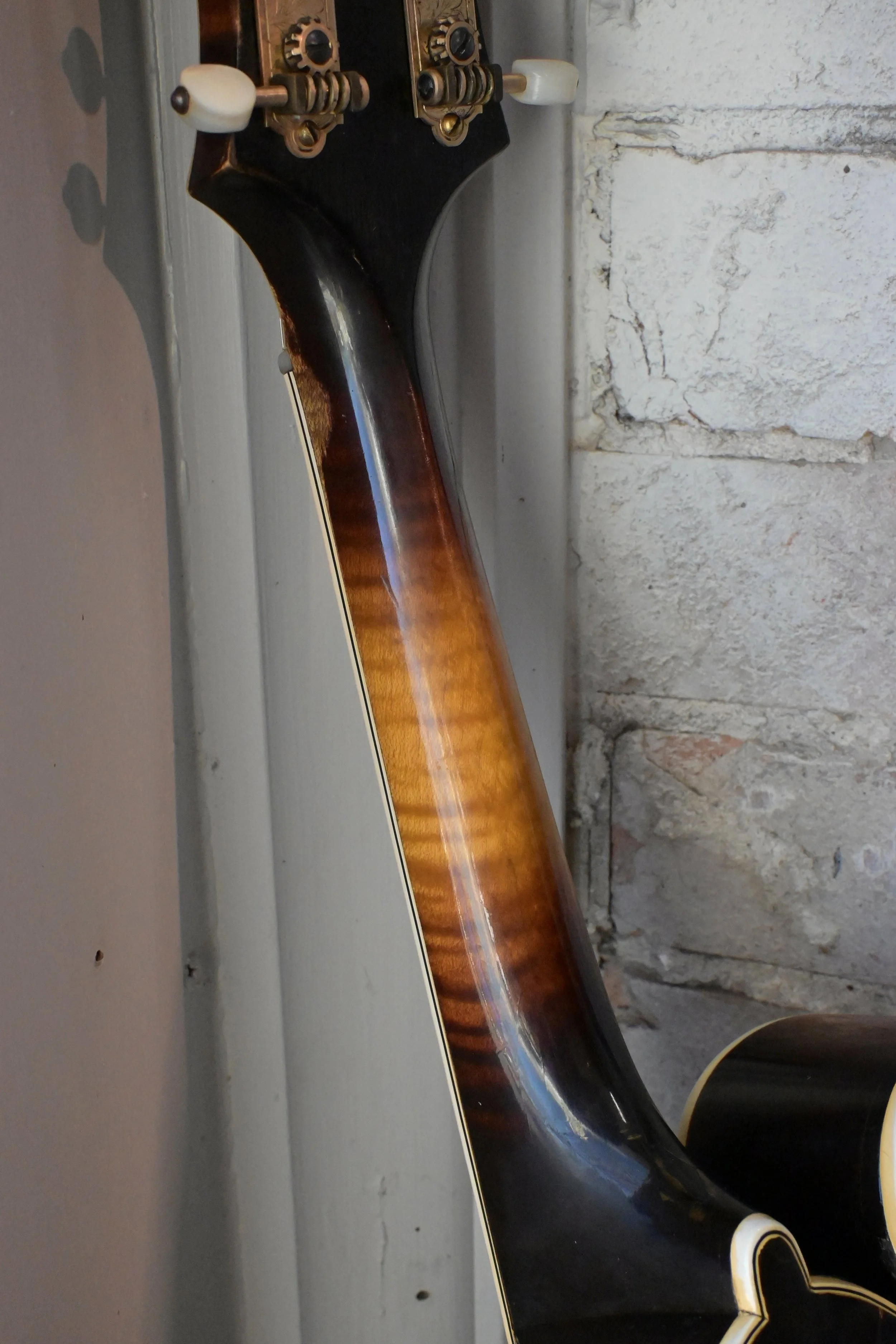
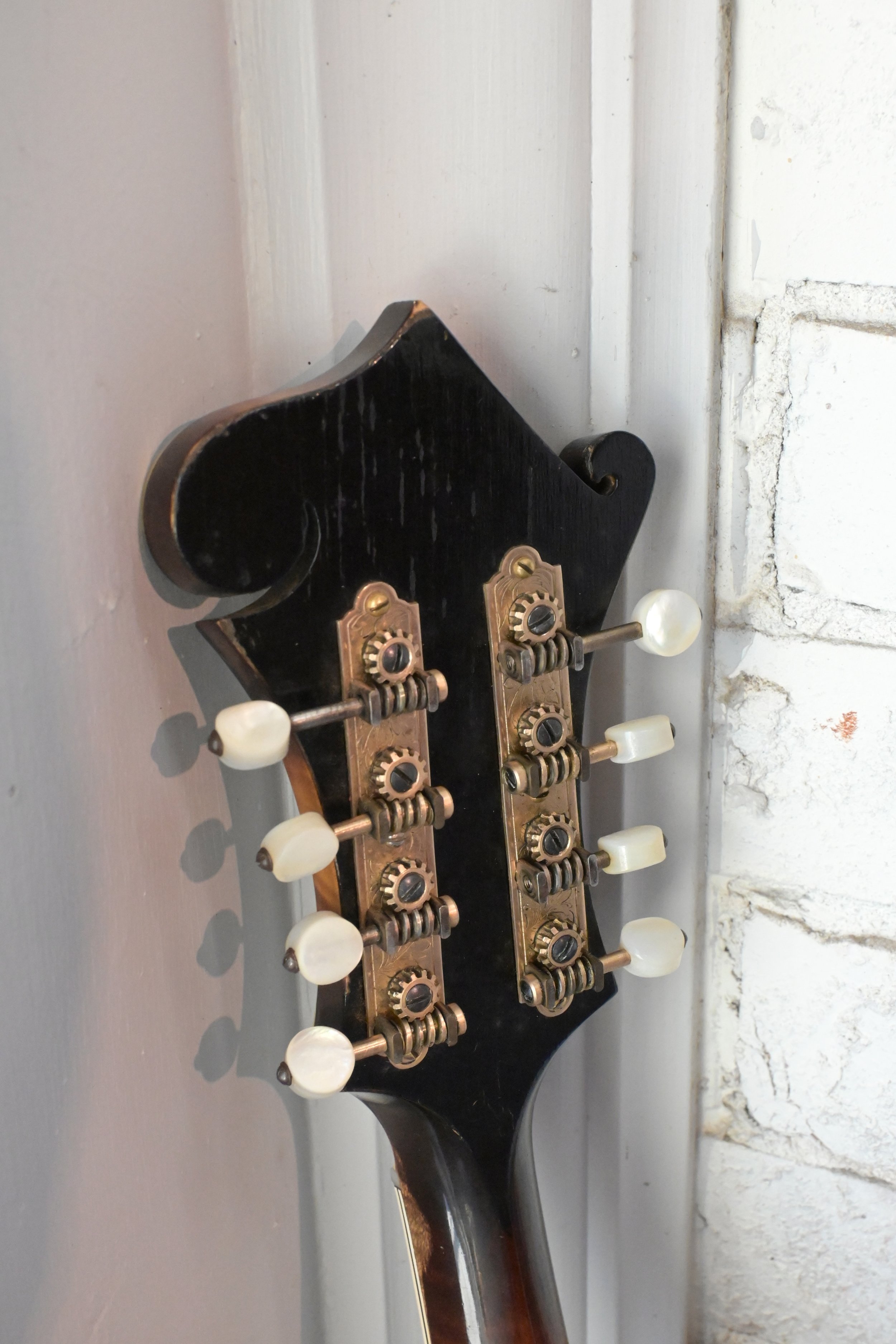
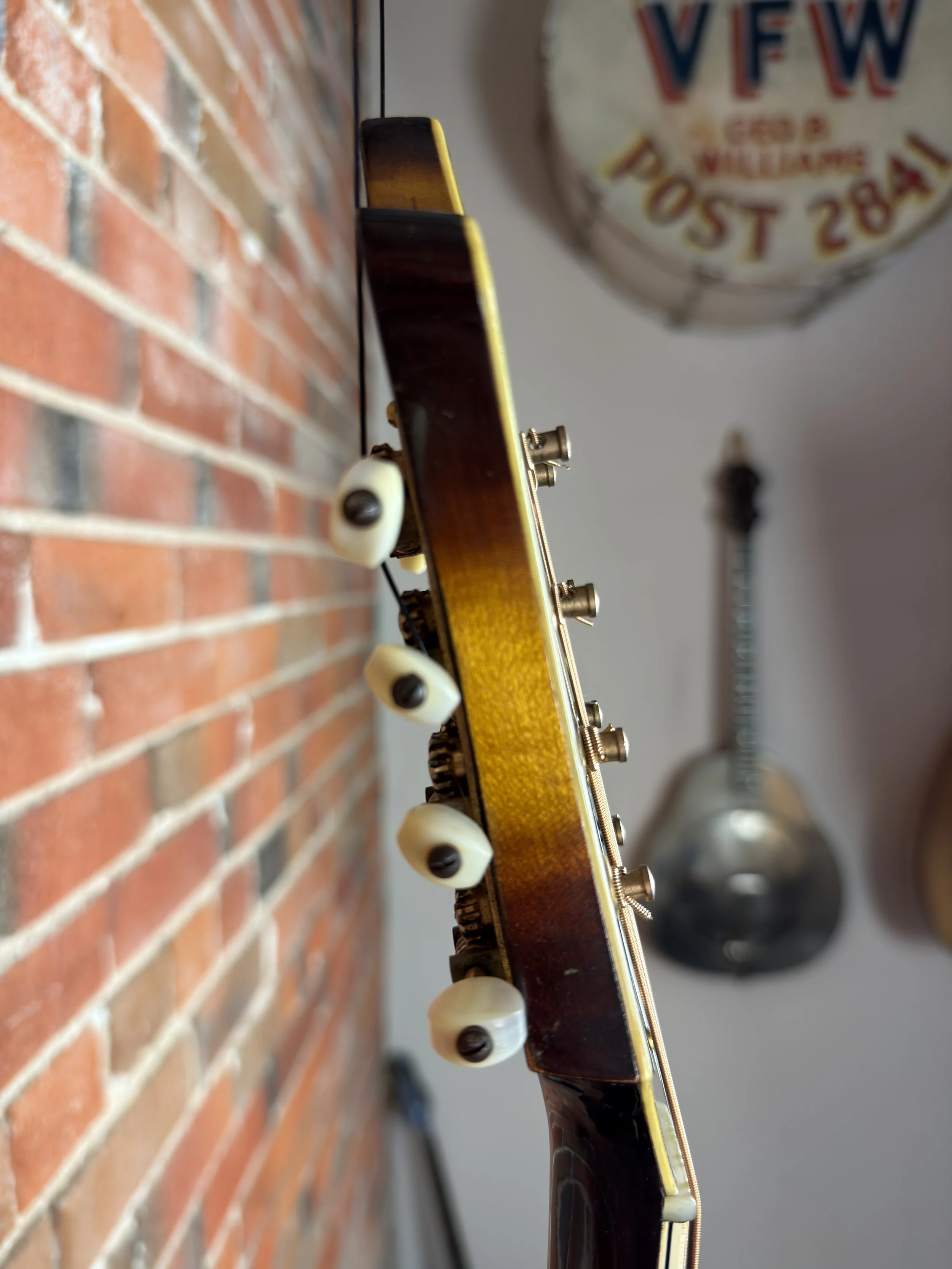
The tuners are most likely custom made 1929 or so tuners from Gibson.
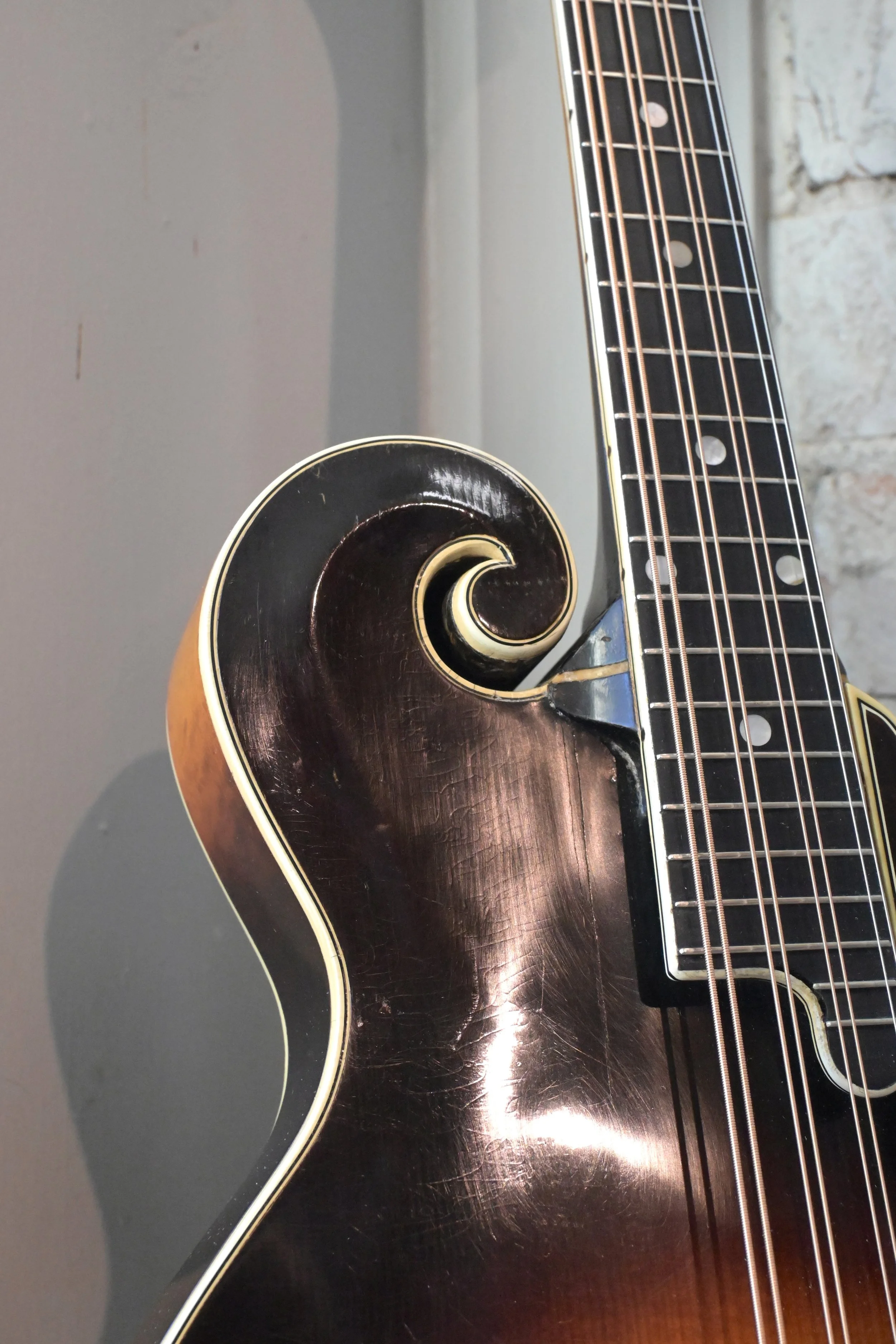
There is one crack in the top, near the scroll, that is stable and hasn't seen any movement.
Has authentication papers from George Gruhn and David Grisman.
Comes with the original hard shell, green lined case. Come get this piece of history while it’s here!
Local Pickup Only.